
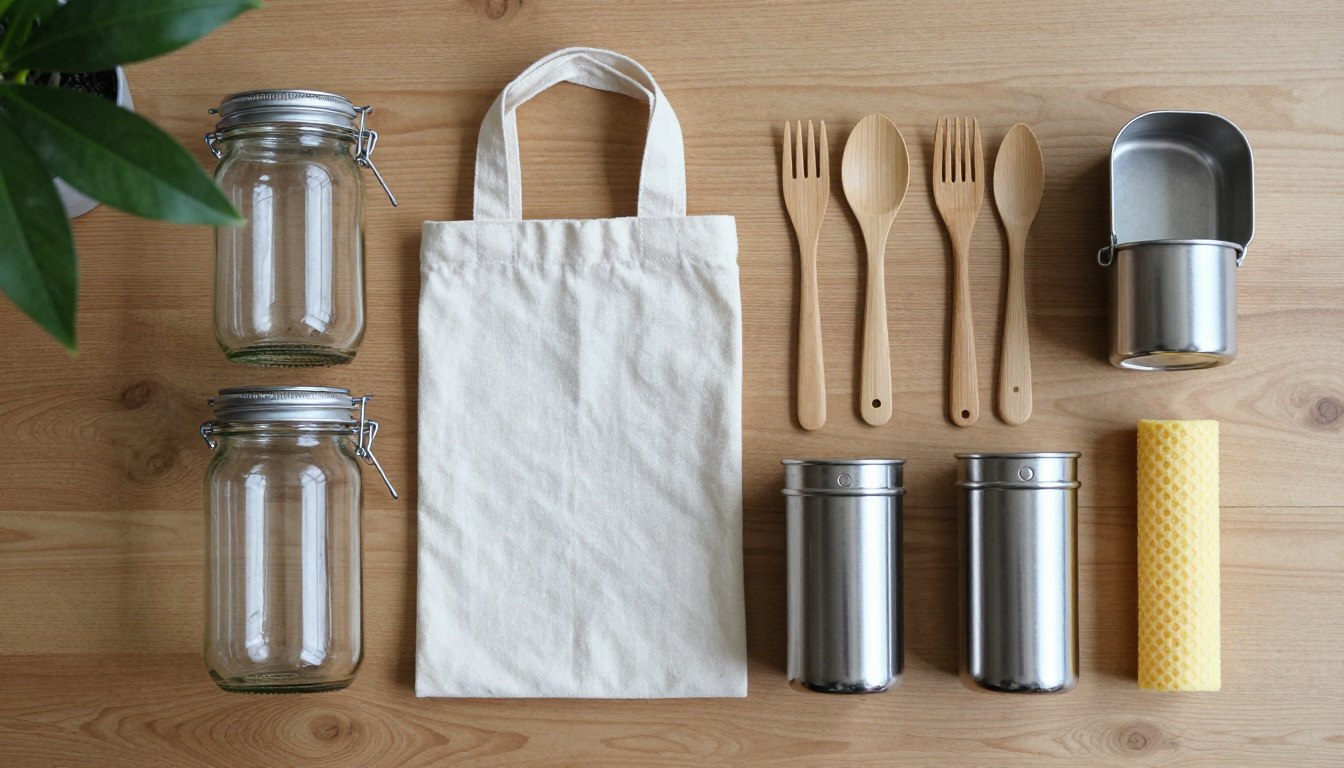
Imagine a world where nothing goes to waste – where every item serves a purpose until the end of its life, then transforms into something new. This isn’t a utopian dream, but the essence of the zero waste movement. Whether you’re concerned about climate change, tired of excessive packaging, or simply want to live more intentionally, zero waste principles offer a practical path forward. This guide will walk you through the fundamentals of zero waste living and show you how to begin your own journey toward a more sustainable lifestyle.
What Is Zero Waste?
Zero waste is a philosophy and set of practices aimed at eliminating waste rather than managing it. According to the Zero Waste International Alliance, it’s defined as “the conservation of all resources by means of responsible production, consumption, reuse, and recovery of products, packaging, and materials without burning, and with no discharges to land, water, or air that threaten the environment or human health.”
In simpler terms, zero waste is about redesigning our relationship with resources. Instead of the traditional linear economy (take-make-dispose), zero waste embraces a circular economy where materials remain in use. The ultimate goal is to send nothing to landfills, incinerators, or the ocean.
It’s important to understand that zero waste isn’t about perfection – it’s about making better choices whenever possible. Even the most dedicated practitioners rarely achieve absolute zero waste. The value lies in the journey and the collective impact of many people reducing their waste footprint.
Benefits of Embracing Zero Waste

Environmental Benefits
- Reduces greenhouse gas emissions from landfills and production
- Conserves natural resources and energy
- Decreases pollution in oceans, waterways, and landscapes
- Protects wildlife from harmful waste
- Minimizes toxic chemicals released into the environment

Personal Benefits
- Saves money by buying less and reusing more
- Creates a healthier home environment with fewer toxins
- Develops mindful consumption habits
- Simplifies life with less clutter
- Builds community connections through sharing economies
The 5 R’s Hierarchy: The Foundation of Zero Waste
The zero waste lifestyle follows a specific hierarchy known as the 5 R’s. Unlike the traditional “reduce, reuse, recycle” mantra, this expanded framework provides a more comprehensive approach to eliminating waste:

1. Refuse
The first and most powerful step is to refuse what you don’t need. This means declining free promotional items, single-use plastics, junk mail, and other unnecessary items that enter your life only to be discarded.
Example: Saying “no thank you” to plastic straws, free pens, or shopping bags when you already have alternatives.
2. Reduce
For things you can’t refuse, reduce your consumption. This step involves being mindful about purchases, buying only what you need, and choosing quality over quantity.
Example: Evaluating your wardrobe before buying new clothes or purchasing food in appropriate quantities to avoid spoilage.
3. Reuse
Extend the life of items by reusing them or choosing reusable alternatives to disposable products. This includes repairing items rather than replacing them.
Example: Using cloth napkins instead of paper ones, carrying reusable water bottles, or shopping with cloth bags.
4. Recycle
When you can’t refuse, reduce, or reuse, recycling comes into play. This should be viewed as a last resort before disposal, not the primary solution to waste.
Example: Properly sorting recyclables according to local guidelines and ensuring they’re clean before recycling.
5. Rot (Compost)
Organic waste can be composted to create nutrient-rich soil instead of sending it to landfills where it produces methane, a potent greenhouse gas.
Example: Composting food scraps, yard waste, and certain paper products to create natural fertilizer for plants.
Practical Steps to Get Started with Zero Waste
Transitioning to a zero waste lifestyle doesn’t happen overnight. Start with these practical steps in key areas of your life:
In the Kitchen

- Shop with reusable produce bags and containers for bulk items
- Replace plastic wrap with beeswax wraps or silicone covers
- Use cloth napkins instead of paper towels
- Start a simple countertop compost bin for food scraps
- Plan meals to reduce food waste and shop with a list
In the Bathroom

- Switch to a bamboo toothbrush and compostable dental floss
- Try shampoo and conditioner bars instead of bottled products
- Use a safety razor rather than disposable plastic razors
- Opt for bar soap without packaging
- Replace disposable cotton products with reusable alternatives
While Shopping

- Always carry reusable shopping bags
- Choose products with minimal or recyclable packaging
- Buy second-hand when possible
- Support local farmers’ markets where packaging is often minimal
- Look for package-free options or items in glass, metal, or paper
On the Go

- Carry a reusable water bottle and coffee cup
- Pack a small kit with reusable utensils and a cloth napkin
- Bring containers for restaurant leftovers
- Decline unnecessary items like straws and extra napkins
- Plan ahead to avoid convenience purchases in disposable packaging
Addressing Common Zero Waste Challenges

“Zero waste seems expensive. How can I afford it?”
While some zero waste products have a higher upfront cost, they save money over time by eliminating the need to repeatedly purchase disposables. Start with simple, affordable swaps like cloth napkins or reusing glass jars. Remember that reducing consumption is a core principle—buying less actually saves money.
“I don’t have access to bulk stores or farmers’ markets. What can I do?”
Focus on what you can control. Choose products with recyclable packaging, buy the largest size available to reduce packaging waste per use, or explore online bulk retailers that ship in minimal packaging. Even in conventional stores, you can find less-packaged options by shopping the perimeter (produce, bakery, deli).
“My family isn’t on board with zero waste. How do I manage this?”
Lead by example without judgment. Introduce changes gradually and focus on the benefits that might appeal to them—like saving money or health improvements. Create easy systems that don’t require extra effort, and celebrate small victories together. Remember that your personal choices still make a difference.
“I feel guilty when I can’t avoid waste. Is this normal?”
Absolutely. “Zero waste guilt” is common, but remember that the goal is progress, not perfection. Our current systems make some waste unavoidable—focus on the positive changes you’re making rather than the occasional unavoidable waste. Document your journey to see how far you’ve come.
Zero Waste Myth: “One person can’t make a difference”
Individual actions do matter. Beyond reducing your personal waste, you influence others through example, create demand for sustainable products, and contribute to a cultural shift. Many businesses and policies have changed due to consumer pressure from individuals like you.
Zero Waste and the Circular Economy

Zero waste is closely tied to the concept of a circular economy, which aims to eliminate waste and continually reuse resources. Unlike our current linear “take-make-dispose” model, a circular economy keeps materials in use through better design, maintenance, repair, reuse, remanufacturing, and recycling.
In a circular system, products are designed from the start to be reused or recycled, and natural systems are regenerated rather than depleted. This approach not only reduces waste but also creates economic opportunities through new services like repair, refurbishment, and sharing platforms.
By embracing zero waste principles in your daily life, you’re participating in this larger shift toward a more sustainable economic model that works in harmony with our planet’s resources.
Joining the Zero Waste Community

The zero waste journey is more enjoyable and sustainable when shared with others. Connect with like-minded individuals through:
- Local zero waste meetups and workshops
- Online communities and social media groups
- Community gardens and composting initiatives
- Repair cafés and skill-sharing events
- Zero waste stores and farmers’ markets
These connections provide support, inspiration, and practical knowledge that can help you overcome challenges and discover new approaches to reducing waste. They also amplify your individual impact by creating collective change in your community.
Your Zero Waste Journey: Progress Over Perfection

Remember that zero waste is a journey, not a destination. The goal isn’t to fit your annual trash into a tiny jar—it’s to continuously reduce your environmental impact through mindful choices. Every plastic bag refused, every item repaired instead of replaced, and every food scrap composted represents progress.
Start with changes that feel manageable, celebrate your successes, learn from challenges, and gradually expand your practices. Some days will be better than others, and that’s perfectly okay. What matters is the overall direction of your journey and the positive impact of your collective choices.
By embracing the zero waste philosophy, you’re contributing to a more sustainable future—one thoughtful decision at a time.
Ready to Take the Next Step?
Download our free Zero Waste Starter Kit with printable guides, shopping lists, and room-by-room transition plans to help you implement what you’ve learned.
